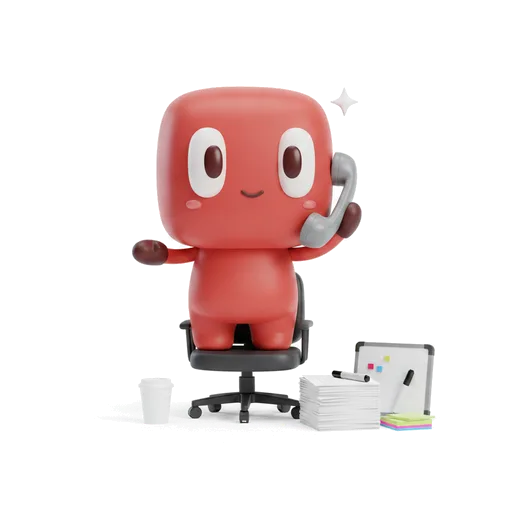
“The Send-It Specialist”
ESTP at work — already on the phone pushing it through, proposal still half-read on the desk
ESTP · The Live Wire
While you're weighing the options, they've already tried it. Twice.
"Jump in first, figure it out on the way down"
Action first, and you play to win. Quick reflexes, nerve to spare, and you own whatever room you're standing in.
Link copied!
Your body moves before your brain files the paperwork. You read a situation fast and you're bold with it — while everyone else is still weighing options, you're already in there with a result.
Chasing the thrill means caution gets left at the door sometimes. Stop for one beat before you go — that's when all that momentum turns into an actual weapon.
Strengths
- •Reads the situation fast and moves on it
- •Nerve, plus the push to back it up
- •Can talk to anyone, anywhere
Watch out for
- •Kicking off things on impulse you haven't thought through
- •Details and cleanup left for someone else
In relationships
You go straight at it — no games, all heat. Bring as much consistency as you bring excitement and it'll actually last.
At work & study
Explosive on the ground: sales, live problems, anything on fire. Sitting still doing the same task twice makes your skin itch.
Compatibility
Great match
Takes some work
ESTP chemistry — friendship and romance, scored separately
Best three as friends
Best three as partners
Pair with any type — including what trips you up
See all 136 pairingsESTP deep dive
ESTP is the one who changes the air in a room by walking into it. While everyone else is still weighing options and drafting a plan, their body has already left the building. It isn't that they have no fear — it's that they know, physically, that nothing makes sense until you've actually hit it. Let's take a closer look at this full-throttle competitor.
What ESTPs are like — the body gets there before the thought does
“Try it, then decide” is baked into an ESTP at the muscle level. While the rest of the room spends three hours debating whether the thing will work, the ESTP has already gone out, poked it once, and come back with the answer: “tried it — this part works, that part doesn't.” They don't run simulations in their head. They have to get a hand on reality before it means anything.
Their read on a situation is genuinely fast. The mood of a room, the look on someone's face, what's actually urgent right now — they clock it in seconds. Which is why an emergency makes their eyes light up instead of glaze over. Everyone else freezes, and the ESTP says “right, this first,” and suddenly the chaos has a shape.
The cost is that chasing the thrill leaves a trail of loose ends. They charge in beautifully and then the holes show up in the boring half — the reconciling, the tidying, the double-checking. When something stops being fun, the attention drains straight out. That's the honest weak spot.
ESTP in love — straight at you, zero games
When an ESTP is into you, you'll know. They say it. If they miss you, the text says come out, now. Playing it cool feels like a waste of everyone's time to them, so the opening stretch of a relationship moves at an absurd clip. From the other side it's thrilling and slightly alarming in equal measure.
Dates lean toward doing something rather than sitting in a cafe talking for two hours. A drive with no destination, a climbing gym, a trip decided at 11pm — the affection lives in the moments where the body is involved. Stacking up experiences together, rather than words, is how an ESTP says it.
The homework is what happens once the butterflies wear off, because boredom arrives quickly for this type. A relationship that started that hot needs deliberately maintained steadiness to survive. The day an ESTP starts asking “hey, is anything weighing on you lately?” as reliably as they ask “that was fun, right?”, their love life gets a lot more solid.
ESTP compatibility — why ISFJ and ISTJ fit, and INFJ takes work
ESTPs pair well with someone who quietly picks up the loose ends they leave behind. An ISFJ (the Defender) looks after whatever the ESTP just set in motion and handles the emotional side with real warmth — a safety net for someone who only ever looks forward. An ISTJ (the Logistician) supplies the planning and the follow-through precisely where the ESTP has none. One starts fires, the other builds systems; put them together and things genuinely get done.
An INFJ (the Advocate), by contrast, sounds like a foreign language at first. INFJs move only after chewing on meaning and inner weather for a long while, and the ESTP's first question is always “okay, so what do we do right now?” To the INFJ the ESTP looks recklessly impulsive; to the ESTP the INFJ takes forever to get to the point. But this isn't incompatibility so much as a missing translator — if the ESTP pauses one beat to ask what's going on inside, and the INFJ gets to the conclusion a little sooner, each ends up learning the thing they were missing.
When ESTPs really struggle
Nothing itches like being made to sit still. Repetitive work that never changes, meetings with no end, a long project whose payoff shows up next year — the energy just drains out. And a restless ESTP will start something unnecessary purely to have something to do, which is usually how the actual accidents happen.
The other rough patch is cleaning up after an impulse. It was electric in the moment, and then you come back to yourself and there's a mountain to sort out — every ESTP has that story. What helps isn't guilt, it's one small habit: three seconds of looking before jumping. Those three seconds are what keep an ESTP's drive a weapon instead of a hazard.
How to live well as an ESTP
Quick reflexes plus nerve is a genuinely rare combination. To keep using it for decades, though, an ESTP has to train one thing: the pause. Sleeping on a big decision for exactly one night. Asking “and who cleans this up?” before pulling the trigger. That small brake is the entire difference between being the person who causes problems and the person everyone calls when there is one.
Handle the loose ends with a system rather than willpower. If you know detail isn't your thing, a checklist or a meticulous partner doing the final pass is far more realistic than trying to become a different person. Patch the weakness with structure instead of character. Then keep the surplus energy draining into sport or some new challenge — an ESTP is most dangerous when bored and most impressive when there's something to throw themselves at.
Careers that fit ESTP
- Sales and business development
- EMT, firefighter, police — crisis response
- Founder, dealmaker, running your own shop
- Event production, live shows, on-site directing
- Personal trainer, sports coach, instructor
- Trading, real estate — anywhere deals happen in real time
Static desk-and-paperwork jobs that never change will wilt an ESTP within a month. Put them somewhere physical where the result shows up the same day and they go off like a firework.
ESTP frequently asked
Why are ESTPs so impulsive about starting things?
Because for this type, hitting something is genuinely faster than thinking about it. An ESTP has to try it to know it. It looks like a flaw right up until a crisis hits, and then that reflex is a weapon nobody else in the room has. Just build in three seconds of looking before you jump and the disaster rate drops off a cliff.
Who is an ESTP most compatible with?
ISFJ and ISTJ get named most often. Both reliably supply the planning and the follow-through an ESTP sprints straight past, so the gaps fill in neatly — one lights the fire, the other organizes the aftermath. Compatibility is only a rough guide, though; the real match is whoever is willing to keep adjusting alongside you.
What jobs are ESTPs good at?
Physical, on-site work where the result lands the same day. Sales, founding something, emergency response, event production, coaching. Fast reflexes, nerve, and being good with people all convert into currency there. Sitting quietly with the same document every day will wilt an ESTP fast.
What should ESTPs watch out for in relationships?
Starting at full heat and getting bored the moment the butterflies fade. An ESTP is great at “that was fun, right?” and forgets to ask “is anything weighing on you lately?” Match the thrill with steadiness and the shared experiences with real curiosity about what's going on inside them, and the relationship lasts a lot longer.
What's the difference between an ESTP and an ESFP?
Both are loud and spontaneous, so they blur together — but ESTPs run on logic, competition, and solving the problem, while ESFPs run on people, feelings, and the mood in the room. The ESTP is the one who coolly takes charge of a crisis; the ESFP is the one who makes wherever they are warmer and more fun.