“The Quiet Aesthete”
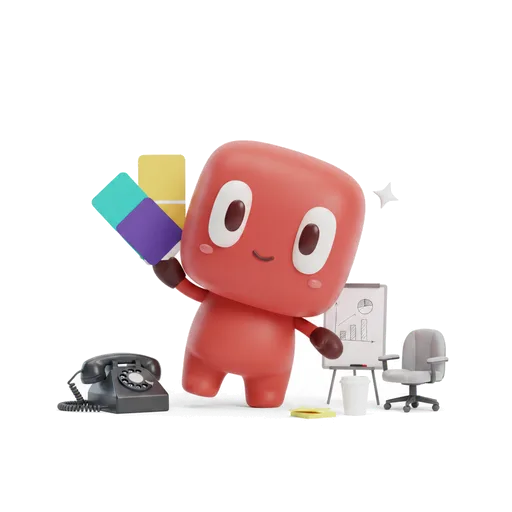
ISFP at work — fussing over the colours and spacing of a slide, far longer than over what it actually says
ISFP · The Quiet Original
Says very little, but has sharper taste than anyone in the room.
"Right now, and however it feels to me"
Quietly deep-feeling. Your own taste, your own eye, and you actually take the moment in instead of rushing past it.
Link copied!
Shy on the surface, but underneath there's a lot of feeling and a very specific set of tastes. You'd rather have peace than win, and today's feeling matters more to you than some grand five-year plan.
You hate conflict enough to keep your real thoughts to yourself. But put something you love in front of you and you vanish into it for hours — quietly, the most obsessed person in the room.
Strengths
- •A fine-tuned eye, and the feeling to match
- •Warm without ever making it about you
- •Easy to be around, open to anything
Watch out for
- •Keeping it in until people read you wrong
- •Putting off the big decisions indefinitely
In relationships
Tender, attentive, remembers what matters to them. Say a little more of it out loud and they'll actually feel how deep it runs.
At work & study
At your best with room to move and something to make. Rigid rules and constant competition squeeze the life out of you.
Compatibility
Great match
Takes some work
ISFP chemistry — friendship and romance, scored separately
Best three as friends
Best three as partners
Pair with any type — including what trips you up
See all 136 pairingsISFP deep dive
ISFP is the quiet one with the most specific taste in the room. They're soft-spoken and easygoing enough that you assume they don't have strong opinions — and then someone brings up a record, or a painting, or a room they love, and their whole face changes. Shy on the outside, packed with private aesthetics and a slow-burning passion on the inside. Let's take a closer look at what's in there.
What ISFPs are like — quiet on the surface, all taste underneath
ISFPs feel first, with the body and the senses, before any of it reaches the calculating part of the brain. Something good simply registers as good. Ask them to explain why, logically, and they'll go blank — but watch them pick a cafe and you'll see they've filtered on the lighting, the music, and the weight of the cup in your hand. That fine-grained taste is an ISFP's actual native language.
They hate conflict enough that “I'm fine, anything works for me” becomes a reflex. That's usually not easygoingness, it's conflict avoidance. There are very clear likes and dislikes in there; they just don't see the point of making it everyone's business. Which is how they occasionally get accused of not having an opinion about anything.
On things they don't care about, they're endlessly unhurried. On something that's caught them, they disappear into it and look up six hours later. From outside it looks like it came from nowhere. That quiet, unannounced intensity is the wick that makes ISFPs artists.
ISFP in love — affection delivered by hand, not by mouth
Rather than say “I love you” a hundred times, an ISFP will just leave your favorite snack on the counter. They're clumsy with words, which can read as flat or distant, but there's feeling packed into every small thing they do. They're quietly keeping track of how you've been sleeping, what kind of mood you're in today, the song you had on repeat last month.
The catch is that keeping the inside in eventually trips them up. When something hurts, they swallow it — saying it would ruin the mood — and then one day the feelings have quietly gone cold on their own. “Honestly, that hurt my feelings” is the single hardest sentence for an ISFP to say, and it's also the one that saves the relationship. You're already doing the loving part; a little more saying, and the other person would actually know.
ISFP compatibility — why ENFJ and ESFJ work, and ENTJ is tricky
ISFPs do best with someone who reads them without demanding a full explanation, and who gently takes the lead when they're hesitating. An ENFJ (the Protagonist) pays close attention and gets there first — “you love this kind of thing, right?” — and an ESFJ (the Consul) is affectionate and attentive enough that the ISFP relaxes and starts opening up. Both fill in an ISFP's expression gap with plain warmth.
An ENTJ (the Commander), on the other hand, tends to grind at first. The ENTJ leads with goals, efficiency, and decisions; the ISFP cares about how this feels right now and about being left alone to do it their way. One thinks “why is this person steamrolling me,” the other thinks “why is this person dragging their feet.” But it isn't incompatibility, it's a missing translator. Let the ENTJ's drive push the ISFP's talent out into the real world, and the ISFP's sensibility soften the ENTJ's hard edges, and they grow each other more than either expected.
When ISFPs really struggle
Nothing exhausts an ISFP like being asked to plan far out. “Where do you see yourself in five years,” “give me the long-term roadmap” — the screen just goes white. They live in the present tense, so being made to commit to a future that hasn't happened yet costs them several times what it costs anyone else.
Competition, constant comparison, and a dense rulebook wilt them fast too — put an ISFP somewhere that ranks people by numbers and the whole sensory gift goes dim. And the habit of processing conflict entirely on the inside until they've quietly drifted away hurts them most of all. They want to be understood without saying it. The world is not that perceptive.
How to live well as an ISFP
Stop waiting until you're fully prepared and just make the thing your hands are already reaching for. An ISFP's sense doesn't wake up while you're thinking at a desk — it wakes up mid-motion, while you're touching and drawing and moving. Start something small and find the rest inside it. That's the sequence that actually works for you.
And practice letting the inside out, a little at a time. “Honestly, I didn't love that.” “That hurt my feelings back then.” One line, and a whole misunderstanding never happens. Everything you swallow because conflict scares you piles up into distance later. Your taste and your feelings aren't something to keep pressed down — they're the best thing about you, and you're allowed to say them out loud.
Careers that fit ISFP
- Illustrator, graphic designer, craft maker
- Photographer, video creator
- Chef, pastry chef, barista
- Florist, interior or set stylist
- Makeup and hair — beauty artistry
- Physical therapy, veterinary work, and other hands-on care professions
Put an ISFP in a place that ranks people and lines them up by their numbers and they wilt fast. They need autonomy and enough white space to use their own eye — that's when they shine.
ISFP frequently asked
Why don't ISFPs open up about how they really feel?
Not because they don't want to — because friction genuinely scares them. ISFPs hate conflict, so when something stings, the reflex is to swallow it rather than “ruin the mood.” The problem is that swallowing it is exactly how they end up quietly drifting away, so learning to say a little of it out loud is worth the discomfort.
Which MBTI type is the best match for an ISFP?
ENFJ and ESFJ usually top the list. Both are affectionate and observant enough to notice what an ISFP isn't saying and to reach out first, filling in the expression gap with plain warmth. Compatibility is only a starting hint, though — the person willing to keep meeting you halfway is the real match.
What kind of career suits an ISFP?
Anything that doesn't box them in and lets them use their eye. Design, photography, film; hands-on making like cooking, baking, or floristry; beauty work; care and therapy roles. The thing to check isn't the job title — it's whether there's autonomy and room to actually use your own taste.
What should ISFPs be careful about in a relationship?
Stacking up small hurts in silence until they've quietly closed the door. ISFPs are awkward with words and give love through actions, but a partner who hears nothing starts to feel uneasy. Adding a line — “honestly, that hurt” or “this is what I love about you” — makes the whole thing much sturdier.
What's the difference between an ISFP and an INFP?
They look similar — quiet, feeling-driven — but they live in different places. The ISFP experiences the world through the senses, right now; the INFP lives in imagination and meaning. ISFPs want to touch it, make it, be there for it. INFPs get lost in thought sketching out the ideal version. ISFP is the more grounded and more spontaneous of the two.